
You’re juggling dawn feeds, noon chills, and midnight mittened hands, and it’s okay to feel tired, guilty, loving and fierce all at once; we’ll help. Start by aiming for about 64–72°F, check a thermometer at baby’s head height, dress them in a breathable onesie plus a TOG-appropriate sleep sack, swaddle newborns until rolling, and always feel their chest or back—not hands—to judge warmth. If you want step-by-step layer swaps and safety tips, keep going.
Some Key Points
- Keep the nursery between about 64–72°F (18–21°C) and measure temperature at baby head height away from vents or windows.
- Dress your baby in breathable layers and/or a TOG-rated sleep sack, adding one layer more than you’d wear.
- Newborns can be swaddled (1.0–2.5 TOG); transition to a sleep sack when rolling or around 2–6 months.
- Check the baby’s chest or back (not hands or feet) and adjust one layer or TOG at a time, then reassess in 10–15 minutes.
- Watch for overheating (sweaty, flushed, rapid breathing) or chilling (cool, mottled skin, lethargy) and respond by removing or adding layers.
How Cold Weather Changes Baby Sleep and Why Temperature Matters

When the air turns cold, your days and nights change in small, steady ways you feel in your bones, and we’re right there with you—tired, worried, full of fierce love. Morning light feels thinner, and your baby's little body may need more fuel because baby metabolism ramps to keep them warm, which can mean extra feeds and that guilty, exhausted loop of “am I doing enough?” You notice circadian shifts too, naps later, nights longer, and you whisper, “we’ll get through this,” while worrying about overheating or chilling. Feel their chest for warmth, not their hands; if they’re clammy you slow down layers, if pale or shivering you add a breathable sleep sack, and breathe. Consider adding a humidifier to the nursery to maintain comfortable air moisture for sensitive little lungs and skin, which can help during winter humidifier care.
What Nursery Temperature to Aim for in Winter (And How to Measure It)
Often you’ll wake to a chill that makes you tug the blanket tighter, and you’ll carry that careful, fierce attention through the day and into the nursery at night—because we both know how small shifts in temperature can feel huge when you’re guarding this tiny life. Aim for about 65–70°F (18–21°C) in winter, it’s steady, safe, and eases that gnawing guilt when you worry you’ve missed something. Put a reliable room thermometer at baby head height, away from vents, drafts, direct heat or awkward window placement, so the number you trust isn’t lying to you. If the room runs cold, warm it briefly before bedtime, check baby’s chest for core warmth, and don’t overheat—“too hot” is a real worry we won’t ignore. Consider adding a soothing sound machine to help mask household noise and encourage longer stretches of sleep.
How to Layer Baby for Sleep: TOG, Base Layers, and Sleep Sacks
You’ve checked the room thermometer, set the heat, and maybe replayed the tiny, nagging fears about whether you did enough today—now let’s get your baby dressed for sleep so you can both feel steadier. In the morning you’ll pick breathable fabrics for base layers, a soft cotton or viscose bamboo onesie that smells like the day, and you’ll notice how that small choice eases the guilt, the exhaustion, the fierce tender love. As night comes, we match TOG to the room, adding a sleep sack instead of loose blankets, swaddling newborns until rolling begins, then switching to a sleeved sack. Check the chest—warm, not sweaty—watch for clammy skin, and adjust one layer at a time; we’re doing this together. Consider choosing a sleep sack that complements your nursing routine for easier nighttime feeds and comforting closeness, especially from brands focused on nursing pillow support.
Choosing Materials and Sleepwear That Keep Baby Warm Without Overheating
If you start the day by choosing a soft cotton or bamboo onesie that smells faintly of laundry and sunlight, you’ll already have a calm thread running through the night, and we can build from there without that tight, guilty feeling that you didn’t do enough; breathe, feel the fabric between your fingers, notice how it wicks a tiny bit of warmth away when you lift your baby, and let that quiet fact steady you. You’ll choose natural fibers and breathable blends for that base layer, because they move moisture and cut overheating, and then pick a single well-fitting sleep sack with the right TOG for your room. We’ll layer simply, check the chest or back with gentle hands, and trust love more than fear. Cozy crib sheets are a simple, thoughtful addition to the nursery that many growing families appreciate.
How to Spot If Your Baby Is Too Hot or Too Cold and What to Do
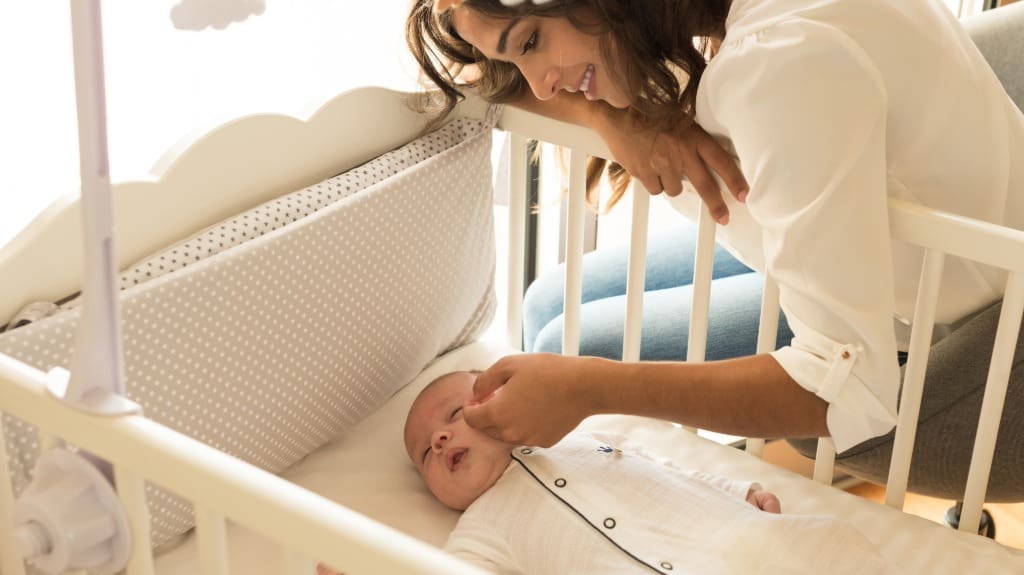
In the morning you might wake feeling guilty and tired, and you’ll notice whether your baby’s cheeks are flushed and sticky with sweat or cool and pale at the chest, so start by checking the core, not the hands or feet. As the day moves toward night, we’ll name the small signals—clammy skin, damp hair, or a warm back that says “too hot,” versus shivering, lethargy, or trouble feeding that whispers “too cold” —and you can act one layer at a time, reassessing in 10–15 minutes. If you’re worried, take off a layer or lower the sleep-sack TOG for heat, add a breathable layer or a higher-TOG sleep sack for chill, and remember we’re here with you in that exhausted, loving loop of keeping baby warm but never sweaty. Our cozy night lights and sleep-sacks can help create a calm, safe sleep environment for growing families.
Signs Baby Is Overheating
Often, especially in the quiet of the night, you'll notice little signs that tell you your baby might be too warm, and we'll learn to trust those small signals together, even when you're tired, second-guessing yourself, or thinking, "Am I doing this right?" In the morning you might feel guilty for over-bundling, in the afternoon exhausted, and at night lonely, but love guides you. Check your baby's back or chest, not hands or feet; sweaty, clammy skin, flushed cheeks, or damp hair at the crown are clear clues, and you'll notice rapid breathing or extra fussiness. Use room monitors and peek at clothing labels, then remove a layer, move to a cooler room, and recheck in 10–15 minutes. Many thoughtful parents prefer gentle, fragrance-free products for nighttime care, like gentle baby shampoo to avoid irritating delicate skin.
Signs Baby Is Too Cold
After checking for signs of overheating and easing your own worry, you'll want to turn your attention to the other side of the coin—how to tell when your baby is too cold, because that worry hits at odd moments, too: in the quiet morning when you're already tired, in the middle of the day when guilt whispers "Did I do enough?", and at night when loneliness meets love and you keep replaying choices. In the morning, we breathlessly check skin, feeling the chest or back for warmth, knowing coolness or shivering matters more than cold toes. Through the day, monitor behavior—persistent fussiness, poor feeding, or sleepiness signal adding warmth. At night, use a room thermometer, reassess after each layer, watching for sweaty, damp skin as your cue to stop. It's also important to keep sleep areas safe and monitored with carbon monoxide detectors to protect growing families.
How To Respond Safely
When guilt or exhaustion wakes you in the pale morning, let your fingers do the talking—feel your baby’s chest or back, not the tiny toes, and trust what warmth or coolness tells you, because we’ve all whispered “Did I do enough?” and need simple answers; if the skin feels warm and dry, you can breathe a little easier, if it’s cool or mottled or the baby is listless, add a breathable layer or a higher-TOG sleep sack and recheck in 10–15 minutes. At night, keep room monitoring steady, aim for about 64–72°F, dress them one layer more than you’d wear, and favor TOG-rated sleep sacks over loose blankets. If overheating or persistent cold signs continue, follow your emergency plan and call for help, we’re here with you.
Age-by-Age Winter Sleep Rules: Swaddles, When to Switch to Sleep Sacks, and Common Adjustments

In the quiet of morning, when you’re bleary and maybe feeling guilty that you can’t do it all, we’ll start with newborns—snugly swaddled in breathable cotton or bamboo, with the room at a comfy 65–72°F, and you’ll stop swaddling the moment rolling begins. As the day moves toward evening and you’re exhausted but fierce with love, we’ll talk about moving to a sleep sack or an arms-out swaddle around 2–6 months, picking a TOG that matches the room and switching only one layer or TOG at a time, checking warmth by feeling your baby’s chest and back. By bedtime, when loneliness and relief sit side by side, we’ll cover how older babies and toddlers need freely moving arms, different TOGs for cooler rooms, and lighter, breathable blankets once they’re steady on their feet, so you can sleep a little easier knowing you’ve adjusted slowly and safely.
Newborn Swaddle Guidelines
Even if you’re barely moving from one sleepy blur to the next, you can learn simple swaddling rules that keep your newborn cozy and safe, and we’ll walk them through from the pale morning light to the quiet of night so you don’t have to guess while you’re exhausted or feeling guilty for every temperature check. In the morning, check the room temp and choose a breathable swaddle or 1.0–2.5 TOG cocoon, use a tight swaddle to curb startle reflex, tuck arms snugly, and listen to your soft, racing heart say “I’ve got you.” Through the day, watch skin for sweaty, clammy signs, adjust one layer at a time, and trust we’ll stop swaddling once rolling starts.
Transitioning To Sleep Sacks
You’ll start to notice small shifts, like a gasp in the middle of a nap or a firmer push against your hand, and we’ll walk through the day — from the pale morning quiet when you check their little neck for warmth, through the midday fog of feedings and guilt, to the slow climb of evening when you’re bone-tired but fierce with love — as you move from a tight newborn swaddle to a sleep sack that lets them wiggle safely. When rolling appears, usually around two to four months, stop swaddling at once and switch to swaddle alternatives that free one or both arms. Choose a TOG-rated sleep sack for winter, layer under a footed onesie, watch for overheating or chill, and tweak one layer at a time, checking comfort within minutes.
Adjusting Layers By Age
When the morning light is thin and you’re still checking their neck for warmth, we’ll learn how to tune layers to their changing body and your changing heart, because those first quiet hours set the tone for a day that’s equal parts joy and exhaustion. Newborns, swaddled snug in breathable 1.0–2.5 TOG with a single cotton onesie, feel safest, and you’ll hush guilt away when you stop swaddling at the first roll. At two to four months you’ll begin a sleep sack as mobility rises, testing a 2.5 TOG in cool rooms, shifting layers by touch. From four months on we evolve fully, choosing TOG by room temperature, watching necks, fitting sleep sacks around sibling routines and room sharing setups, and breathing easier at night.
Some Questions Answered
Can I Use a Space Heater in the Nursery Overnight?
You can, but you’ll want to be careful: keep electric safety front and center, use a heater with tip-over and overheat shutoffs, and place the thermostat outside the nursery so it reads room temp, not right by the heater. In the morning you’ll notice warm sheets, at midday you’ll worry less, by night you’ll whisper “we’re okay,” feeling tired, guilty, loving, relieved, together, steady, protective, cozy.
Are Hats or Mittens Safe for Newborn Sleep?
You shouldn't leave a hat or mittens on a newborn for sleep, because hat safety and mitten risks include overheating and loose fabric covering the face. In the morning you’ll worry, midday you’ll feel tired and guilty, and by night we’ll hold love and steadiness, whispering “is this okay?” Take them off for sleep, tuck a warm swaddle, feel the soft chest rise, breathe together, laugh a little, know you’re doing a careful, loving job.
How Do Siblings or Pets Affect Nursery Temperature and Sleep?
Siblings and pets change nursery temperature and sleep by close body heat, breath, and movement; sibling proximity raises warmth, pet movement drafts or startles, and you feel guilty, exhausted, loving, lonely all at once. In morning, we notice damp blankets and a cat on toes, midday you steady rooms, whisper “we’ve got this,” and at night you tuck in, check breaths, sigh, love fierce and steady, caretaking on.
Will Humidifiers Help With Winter Baby Sleep and Breathing?
Yes, a humidifier can help: it eases breathing, soothes dry skin, and supports humidifier benefits while keeping moisture balance. In the morning you’ll notice softer air, “less rattling,” and we’ll feel less guilty about sleepless nights. By day you’ll rest, exhausted but loved, watching mist shimmer. At night you’ll tuck baby in, breathe easier together, feeling lonely turned gentle, caretaking steady, a small, warm protector.
When Should I Adjust Sleep Layers for Travel or Grandparents' Homes?
Adjust layers when you leave home, swapping mid-morning if it's warmer, and again before naps and bedtime, so you’re not stuck juggling sweat or shivers. You’ll Pack light, bring a thin sleep sack and a warmer layer, and do gentle checks — fingers, neck, breath — as you move from bright car rides to quiet rooms. We feel guilt and love, exhaustion and fierce protectiveness, whispering, “it’s okay,” and smiling.


